

A lactic acid serum can help with dullness, uneven texture, and rough-feeling skin, but choosing the wrong strength can leave your routine either too gentle or unnecessarily complicated. You need the active concentration, supporting ingredients, and product format to match your tolerance and daily habits. These eight options cover everything from gentle daily exfoliation to richer formulas designed for hydration, texture, and visible signs of aging.
A Fast Comparison Of The Options

The Ordinary Lactic Acid 5% + HA 2% Serum
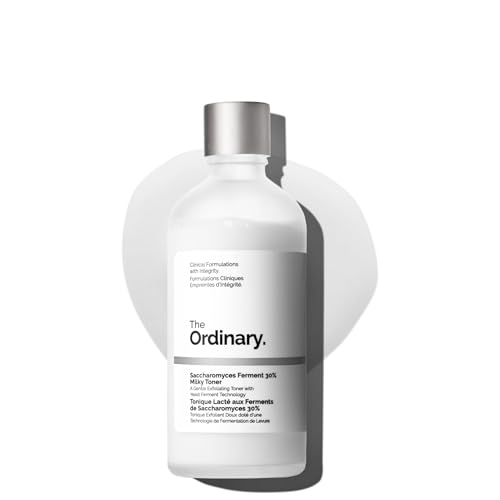
The Ordinary Saccharomyces Ferment 30% Milky Toner

The Ordinary Retinol 0.5% Squalane

La Roche Posay Hyalu B5 Serum
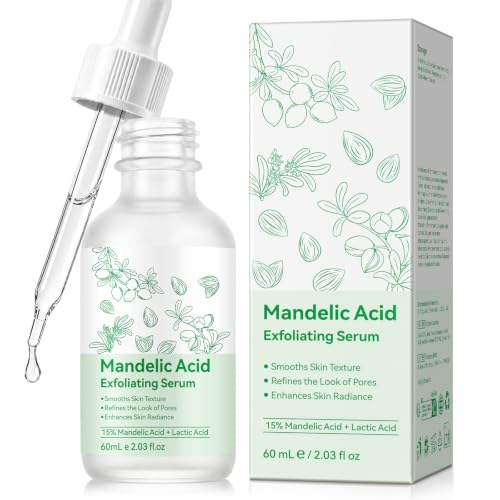
Mandelic 15% + Lactic Acid Serum
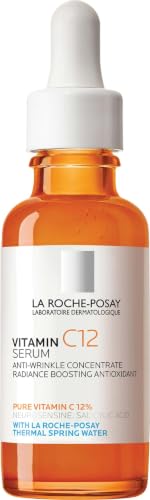
La Roche-Posay 12% Vitamin C Serum
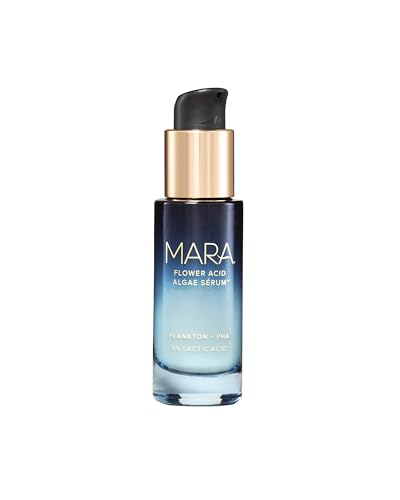
MARA Flower Acid Algae Resurfacing Serum

Izumi Skin Regenerating Serum 30ml
The Details Behind The Selections
Your skin can feel rough and look dull without needing a complicated routine. This 5% lactic acid serum provides a moderate starting point, with an alpha hydroxy acid that loosens dull surface buildup and a water-based base suited to dry or sensitive skin.
The 2% hyaluronic acid adds moisture-focused support, while Tasmanian pepperberry extract gives the formula a calming angle. Compared with the 11% lactic acid in MARA Flower Acid Algae Resurfacing Serum, this option places more emphasis on a restrained daily application and hydration support.
Strong Points
- A 5% concentration offers a practical introduction to lactic acid exfoliation.
- Water-based texture makes the serum approachable for dry-feeling skin.
- 2% hyaluronic acid supports a routine that exfoliates without abandoning hydration.
- Tasmanian pepperberry extract helps balance the formula’s exfoliating focus.
Points To Note
- Your skin may need several weeks of consistent use before texture changes become noticeable.
- It remains an active exfoliant, so introducing it gradually can make your routine more comfortable.
Key Specs
Made For
You benefit most from this formula if you are new to exfoliating serums, have dry or sensitive-feeling skin, and prefer a moderate daily concentration.
Consider Something Else When
La Roche-Posay 12% Vitamin C Serum suits you better when your priority is vitamin C and brighter-looking tone rather than beginner-friendly lactic acid.
A toner can be easier to layer than a concentrated serum, especially during a humid day or after cleansing. This milky formula uses 30% saccharomyces ferment with N-Acetylglucosamine, a sugar-derived ingredient, to support smoother texture, hydration, and a more luminous appearance.
It does not rely on lactic acid, so the exfoliating effect comes from a different formula structure. That makes it a useful choice for your routine when you want gentle surface refinement and moisture support without adding another potent acid.
The Practical Payoff
- The toner format fits naturally after cleansing and before heavier creams.
- Yeast ferment and N-Acetylglucosamine support a smoother-looking surface.
- Its hydrating character suits skin that feels dry or depleted.
Honest Caveats
- You will not get the same direct lactic acid concentration offered by the dedicated serums in this list.
- The 3.4 fl oz size may need to be replenished sooner than a larger-format serum.
Who Will Love This
This toner fits you best if you enjoy lightweight liquid steps, have dry-feeling skin, and want gentle texture refinement alongside hydration.
Another Choice May Suit
The Ordinary Lactic Acid 5% + HA 2% Serum is the better fit when you specifically want a measured dose of lactic acid in a concentrated serum.
Your priorities may extend beyond exfoliation. Retinol is a retinoid, a vitamin A derivative used in skin routines for fine lines, uneven tone, and texture, while squalane adds a conditioning component that reduces the dry feeling often associated with retinoid formulas.
The 0.5% concentration provides a moderate step rather than an intensive starting point. It works best for you if your main concern is visible aging and you prefer a focused nighttime routine, not if you want the immediate hydrating finish of La Roche Posay Hyalu B5 Serum.
Where It Helps
- A moderate 0.5% retinol concentration suits gradual routine building.
- Squalane helps offset the dry, tight feeling associated with many retinoids.
- The formula targets fine lines, texture, and uneven-looking tone.
- Using it at night leaves your morning routine open to sunscreen and lighter hydration.
- Its focused ingredient profile works well for a streamlined evening shelf.
Trade-Offs
- Retinol can create dryness or peeling during the adjustment period, particularly in cooler, dry weather.
- It does not provide the direct exfoliating acid concentration you get from a lactic serum.
Technical Highlights
Built With In Mind
You suit this formula best with a consistent nighttime routine, visible fine lines, and previous experience using retinoid products.
Where A Sibling Pick Shines
Izumi Skin Regenerating Serum 30ml offers a more varied blend for your routine if you want hydration and several age-support ingredients in one product.
Dehydrated skin often needs moisture support before exfoliation becomes the focus. This formula combines hyaluronic acid, glycerin, and vitamin B5 to deliver a rich, plumping feel while addressing the dryness that can make fine lines look more pronounced.
Unlike the acid-led options, its role is primarily hydration and barrier support. A consumer study cited in the product details found smoother-feeling skin among 91% of 85 participants using it twice daily, while an instrumental assessment noted barrier repair within one hour.
Everyday Advantages
- Three hydration-focused ingredients give the serum a richer, plumping profile.
- The formula suits dry or dehydrated skin that dislikes lightweight layers.
- Its focus on fine lines and elasticity fits a mature-skin routine.
Practical Considerations
- It does not provide direct lactic acid exfoliation, so texture remains a secondary focus.
- You may prefer a lighter formula during warm, humid weather.
The Right Fit
This serum suits you best when dehydration is the main concern and you want a richer, cushiony layer for morning or evening use.
Look Elsewhere When
Mandelic 15% + Lactic Acid Serum offers a better fit for your routine when direct exfoliation of rough, bumpy texture matters more than rich hydration.
Rough, bumpy skin calls for more than a single hydration step, and this serum combines mandelic acid with lactic acid in an alpha hydroxy acid blend. Mandelic acid is valued for larger molecular size, while lactic acid adds a familiar exfoliating component, giving you a more substantial formula than the 5% option from The Ordinary.
Several humectants and soothing ingredients help balance the experience. Glycerin, sodium PCA, sorbitol, panthenol, and allantoin support moisture and comfort, so the formula may suit your routine better than a high-strength acid paired with a sparse ingredient list.
The Helpful Details
- Two alpha hydroxy acids target rough texture from complementary angles.
- The 15% mandelic acid concentration makes this a more intensive exfoliating choice.
- Five supporting ingredients help the serum feel less stripped after exfoliation.
- It fits neatly into an evening routine for skin that feels bumpy and uneven.
Things That May Matter
- The 15% mandelic concentration is less suitable for a complete beginner in exfoliating acids.
- You may need to reduce application frequency during periods of dryness or sensitivity.
Feature Breakdown
Whose Shelf It Belongs On
You benefit most from this formula with experience using exfoliants and a primary concern involving rough, bumpy, uneven-feeling skin.
Reach For A Different Pick When
The Ordinary Lactic Acid 5% + HA 2% Serum is the better option for your routine when a lower concentration and beginner-friendly approach matter most.
Dullness and uneven-looking tone call for a different active than lactic acid. This serum centers on 12% vitamin C, a well-known antioxidant ingredient used to support brighter, more even-looking skin, and pairs it with hyaluronic acid for moisture.
Two formula options are presented, with one adding salicylic acid for a brighter, clearer-looking finish. Compared with The Ordinary Lactic Acid 5% + HA 2% Serum, this route emphasizes radiance and oxidative-stress support rather than loosening surface buildup.
Where It Delivers
- A 12% vitamin C concentration gives the brightening focus a clear identity.
- Hyaluronic acid adds hydration to a routine centered on uneven tone.
- Two formulas offer different combinations for texture and radiance preferences.
- It works well for morning use before sunscreen in a daytime routine.
Factors To Consider
- It does not offer the direct resurfacing focus of a lactic acid serum.
- You may prefer to introduce it gradually, particularly alongside other active ingredients.
Made For
This serum suits you best when dullness, uneven tone, and hydration are your main priorities rather than pronounced surface roughness.
Swap It Out When
MARA Flower Acid Algae Resurfacing Serum is the stronger fit for your routine when multi-acid resurfacing and an 11% lactic acid concentration drive your choice.
A richer resurfacing formula suits you when 5% lactic acid has not delivered the texture progress you expected. MARA combines 11% lactic acid with polyhydroxy acid and flower acids, creating a multi-acid approach that addresses roughness, visible fine lines, and uneven-looking skin.
Algae adds the formula’s distinctive botanical angle, while the serum is positioned to support hydration and barrier balance. You may find this more suitable for an evening routine, especially compared with the lighter 5% formula from The Ordinary.
Everyday Wins
- Eleven percent lactic acid gives you a more substantial resurfacing concentration.
- Polyhydroxy acid adds a second type of exfoliating acid to the blend.
- Flower acids and algae create a more complex texture-focused formula.
- The combination suits a routine addressing both fine lines and uneven texture.
- The 30 ml size offers a compact option for your bathroom shelf.
Small Caveats
- Multiple acid types make this a more demanding introduction than a 5% lactic serum.
- You may want to begin with limited application rather than adding it to several nightly routines.
Core Features
Best Suited To
You benefit most from this serum with prior acid experience and a goal of improving rough texture alongside visible fine lines.
Another Choice May Suit
Mandelic 15% + Lactic Acid Serum is the better fit for your routine when a larger-molecule mandelic acid and a broader humectant blend are your priorities.
Your routine can benefit from one serum that combines hydration with several age-support ingredients. Izumi pairs lactic acid with hyaluronic acid, copper peptide, and resveratrol, targeting fine lines, elasticity, moisture, and softer-looking skin within a 30 ml bottle.
This is a more varied formula than a single-active lactic serum. Copper peptide contributes a conditioning role, resveratrol adds another antioxidant ingredient, and hyaluronic acid keeps hydration at the center, so it may suit you when your priorities extend beyond resurfacing.
Advantages To Know
- Lactic acid provides direct exfoliation within a broader anti-aging blend.
- Hyaluronic acid supports the soft, hydrated finish you want each day.
- Copper peptide and resveratrol add complementary age-support ingredients.
- The 30 ml format suits a streamlined morning and evening routine.
Potential Compromises
- Its ingredient variety may not appeal to you if you prefer a precise, single-active formula.
- You may need to adjust frequency while your skin adjusts to the lactic acid component.
Key Product Details
Who Should Grab It
You suit this serum best when you want one formula to combine lactic acid, hydration, and several ingredients commonly associated with age-support routines.
Not Your Match When
La Roche Posay Hyalu B5 Serum is the better choice for your routine when rich hyaluronic hydration matters more than any direct exfoliating acid.
What Matters Most In A Lactic Acid Serum
Active Concentration
Lactic acid is an alpha hydroxy acid, or AHA, that works on the surface of your skin to loosen dull buildup and support smoother texture. The concentration tells you how intensive the formula may feel, with 5% serving as a moderate starting point and 11% or 15% options calling for more gradual introduction.
Supporting Ingredients
Hyaluronic acid draws attention because it supports moisture, while glycerin, panthenol, and allantoin can make an exfoliating routine feel more comfortable. Look for a balance between the active and supporting ingredients, especially when your skin feels dry between uses.
Format And Routine Placement
A serum delivers a concentrated formula, while a toner offers a lighter layer that fits easily after cleansing. You should also consider whether the formula contains other actives, since combining a lactic serum with retinol, vitamin C, or salicylic acid can make your routine more intensive than necessary.
Simple Ways To Build A Smoother-Skin Routine
Mistakes Worth Dodging
Choosing the highest concentration is not automatically the most useful approach. You can reduce irritation risk by starting with one active, applying it less often, and paying attention to how your skin responds before adding another exfoliating product.
What Separates Premium From Basic
Higher-tier formulas often use larger amounts, additional supporting ingredients, or more advanced combinations. The extra investment is most useful when your main concern needs several functions, such as hydration plus resurfacing plus age-support ingredients. A basic formula is plenty for a straightforward texture routine.
