

A late-night routine can’t erase every line, but the right serum can make dehydrated skin look smoother and more comfortably hydrated. These options fit different priorities, from vitamin C brightening to niacinamide for discoloration, so your choice depends on which visible concern you want your face serum to address first.
The Main Contenders

ALOA Hyaluronic Acid Serum for Face 2oz, Hydration and Plumping

La Roche Posay Hyalu B5 Hyaluronic Acid Serum
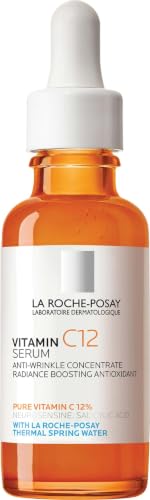
La Roche-Posay 12% Vitamin C Face Serum

Dr. Brenner 20% Vitamin C Serum with Ferulic Acid, Vitamin E, HA and B5
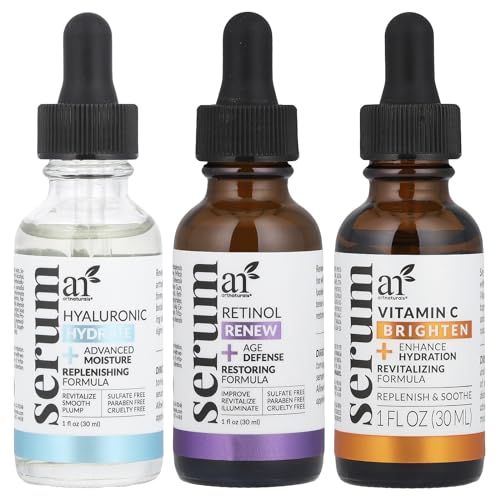
Artnaturals Anti-Aging Set with Vitamin C, Retinol and Hyaluronic Acid, 3-Pack
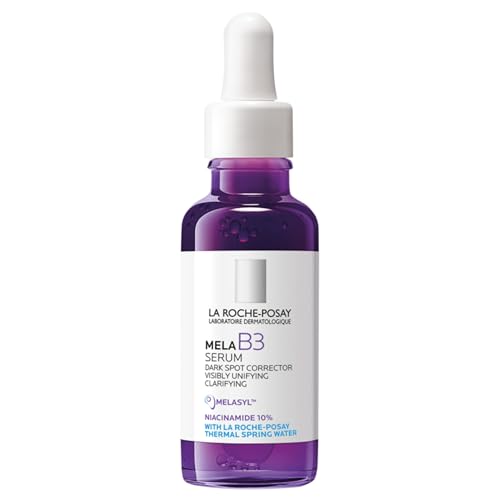
La Roche-Posay Mela B3 Niacinamide Serum
The Strengths Of Each Pick
Dryness can make fine lines look more pronounced, especially after washing your face or spending a day in air conditioning. ALOA takes the direct hydration route with a 2-ounce hyaluronic acid serum designed to draw in moisture and leave skin looking plumper, making it a sensible choice for a simple daily routine.
Compared with the vitamin C options later in the list, this one is less about discoloration and more about hydration. Applying it to damp skin suits you best because that gives the serum moisture to work with, while the visible-softening effect remains a gradual routine benefit rather than an instant transformation.
A Strong Showing
- Hyaluronic acid provides a focused hydration approach for skin that feels dry or tight.
- Moisture-related plumping can make the look of fine lines appear less noticeable.
- The 2-ounce bottle suits a steady daily application without a complex routine.
Practical Considerations
- Your main goal should be hydration, since this formula does not foreground brightening or dark-spot care.
- Damp-skin application gives you a more deliberate routine than a leave-on product with no placement guidance.
Key Specs
Made For
This serum fits you best if your priority is replenishing moisture and softening the appearance of dryness lines in a straightforward routine.
Look Elsewhere When
Choose La Roche-Posay Mela B3 Niacinamide Serum instead if sun spots or post-acne marks are your main concern.
Your skin can feel hydrated and still lack the cushiony finish you want in a dry office or during a long travel day. La Roche Posay Hyalu B5 combines hyaluronic acid with glycerin and vitamin B5, giving you a richer hydration option than the simpler ALOA serum.
That richer texture may suit you better when lightweight layers disappear too quickly. The formula is also presented for sensitive skin and includes barrier-focused positioning, making it a sensible match when dehydration and a compromised-looking moisture barrier are both part of your routine.
Everyday Advantages
- Three hydration-supporting ingredients give the serum broader appeal than a single-ingredient approach.
- The rich texture suits skin that needs more lasting moisture through the day.
- Vitamin B5 complements the hydrating ingredients for a smoother-looking surface.
- Its suitability for sensitive skin makes it a thoughtful choice for cautious routines.
- Instrumental results cited for the formula include barrier repair within one hour.
Worth Noting
- The rich consistency may feel heavier on your skin than a lighter gel-style serum.
Feature Snapshot
Who Will Love This
This serum suits you if rich hydration, barrier support and a soft skin feel matter more than a brightening-focused routine.
Reach For A Different Pick When
Dr. Brenner 20% Vitamin C Serum fits you better when concentrated vitamin C and antioxidant ingredients are your preferred direction.
A serum that hydrates and brightens in one step can simplify a crowded shelf. La Roche-Posay uses 12% vitamin C here, with hyaluronic acid in one formula and salicylic acid in the other, giving you two paths depending on whether moisture or a clearer-looking tone matters more.
Unlike the hydration-first Hyalu B5, this option places vitamin C at the center of the routine. That distinction makes it more relevant when dullness and uneven-looking tone concern you, although your skin’s response to a concentrated vitamin C product deserves attention before you settle on it.
Everyday Wins
- Two formulas let you align the serum with hydration or salicylic-acid support.
- The 12% vitamin C concentration adds a noticeable brightening-focused ingredient.
- Hyaluronic acid supports moisture while vitamin C targets uneven-looking tone.
- Antioxidant positioning suits a routine built around environmental skin care.
Trade Offs
- The concentrated vitamin C focus is less suitable for a routine that only needs plain hydration.
- Your choice of two formulas requires some attention to what your current routine already contains.
Right Fit For
This product suits you if a vitamin C serum with 12% concentration and a choice of supporting formulas fits your radiance goals.
Swap It Out When
La Roche Posay Hyalu B5 Hyaluronic Acid Serum is the better fit for you when rich hydration and barrier support come before brightening.
Dr. Brenner takes a more elaborate approach than the two-formula La Roche-Posay vitamin C serum. Its formula pairs 20% L-ascorbic acid, a form of vitamin C, with ferulic acid, vitamin E, hyaluronic acid and vitamin B5, creating a broad routine for brightness, moisture and antioxidant support.
The higher 20% concentration gives you a decisively active formula rather than a lightly tinted hydration step. Ferulic acid supports the stability of vitamin C, while vitamin E adds another antioxidant, so this is the more ingredient-forward choice for someone who wants the supporting cast to do meaningful work too.
The Good Stuff
- The 20% L-ascorbic acid concentration provides a focused vitamin C treatment.
- Ferulic acid supports vitamin C stability and adds antioxidant positioning.
- Vitamin E contributes environmental-stressor support alongside vitamin C.
- Hyaluronic acid and vitamin B5 bring moisture and texture benefits to the formula.
- The combination suits a multi-benefit morning routine.
Points To Keep In Mind
- The 20% vitamin C concentration is substantial, so you may prefer a gradual introduction.
- Your routine may not need another antioxidant-rich layer if you already use a similar product.
- Patch-testing a concentrated active on a small area is a sensible pre-purchase check.
Technical Highlights
Built With In Mind
This formula suits you if you already understand concentrated vitamin C and want a multi-ingredient brightening serum for daily use.
Another Choice May Suit
Artnaturals Anti-Aging Set with Vitamin C, Retinol and Hyaluronic Acid suits you better when you prefer separate products across several routine steps.
A compact routine can still have several moving parts, and this Artnaturals set brings vitamin C, retinol and hyaluronic acid into a coordinated three-bottle format. You receive three 1-ounce bottles, giving you space to divide the ingredients across different stages of your routine.
Retinol and vitamin C serve different purposes: retinol supports a routine aimed at texture and visible lines, while vitamin C fits a brighter, antioxidant-focused step. Hyaluronic acid adds the moisture support that keeps dehydration from undermining the rest, so this set works best for you when you value a structured routine over one all-in-one formula.
Real-World Strengths
- Three complementary ingredients cover brightening, texture and hydration priorities.
- Separate 1-ounce bottles make each step of your routine easier to organize.
- The compact package measures 4.064 by 10.668 by 13.462 centimeters.
Possible Compromises
- Multiple steps require more planning than a single serum.
- You may prefer one formula with a more concentrated vitamin C percentage.
- Your bathroom shelf needs room for three bottles rather than a single container.
Whose Shelf It Belongs On
This set belongs on your shelf if you want vitamin C, retinol and hyaluronic acid available as separate routine steps.
Consider Something Else When
ALOA Hyaluronic Acid Serum for Face 2oz, Hydration and Plumping is the better fit for you when simplicity matters more than a three-step format.
Fine lines are only one part of visible skin change, and uneven pigmentation can affect how even your complexion looks. La Roche-Posay Mela B3 shifts attention to niacinamide and discoloration, targeting sun spots, age spots and the lingering marks that can follow acne.
That narrower focus makes it different from the broad hydration approach of Hyalu B5 and the brightening emphasis of the vitamin C serums. For you, the case is strongest when post-acne marks or sun-related spots sit alongside fine-line concerns and you want one product aimed directly at tone.
Practical Pluses
- Niacinamide gives your routine a focused ingredient for uneven-looking tone.
- The formula addresses sun spots, age spots and post-acne marks.
- Its discoloration focus complements the hydration goals of hyaluronic acid serums.
- One targeted product suits you when tone is more important than a broad multi-active formula.
Where It May Fall Short
- This is a tone-focused choice rather than a rich moisturizer for dryness.
- Your existing routine may already include enough niacinamide to make another layer unnecessary.
Core Details
The Right Fit
This serum fits you best when visible sun spots, age spots or post-acne marks are the main feature you want your face serum to address.
A Better Fit Elsewhere
La Roche Posay Hyalu B5 Hyaluronic Acid Serum suits you better when dehydration and a smoother, more cushioned skin feel are your priorities.
Matching Serum Ingredients to Your Skin Goals
Prioritize hydration for dryness lines
Hyaluronic acid attracts and holds water within the formula, so it can make your skin look plumper and fine lines appear softer. You’ll see the most practical fit in a routine where dryness is making your complexion look less smooth, particularly in dry weather or after long periods indoors.
Choose vitamin C for radiance
Vitamin C is an antioxidant that also supports a brighter and more even-looking complexion. A formula containing hyaluronic acid can pair that brightening focus with moisture, while salicylic acid adds a different type of skin-support ingredient. You’ll need to consider how your current routine already uses vitamin C and related actives.
Consider niacinamide for discoloration
Niacinamide is particularly relevant when sun spots, age spots or post-acne marks affect your overall tone. It serves a different purpose from a hydrating serum, so you may benefit from choosing Mela B3 instead of adding another moisture-focused layer.
Understand retinol’s role
Retinol supports a routine centered on skin texture and the visible appearance of lines. Because it occupies a different role from vitamin C and hyaluronic acid, the Artnaturals set can suit you when you prefer each ingredient in a separate bottle rather than a single crowded formula.
Practical Checks Before You Buy
Common Shopping Slip Ups
Don’t assume every anti-wrinkle serum addresses wrinkles directly. Hydration, brightness, discoloration and texture are separate goals, and a product built for one may not emphasize the others. Read the active ingredients and match them to the concern you want to prioritize before deciding.
What Separates Premium From Basic
Higher-priced formulas often use higher ingredient concentrations or add supporting actives around the main feature. That can make sense for an established routine, but a simpler hyaluronic acid serum may be enough for your needs. Your existing products determine whether the extra complexity adds value.
Frequently Asked Questions for Anti Wrinkle Serum
Which anti wrinkle serum is best for dry skin?
La Roche Posay Hyalu B5 Hyaluronic Acid Serum is a strong fit for dry skin because it combines hyaluronic acid, glycerin and vitamin B5 in a rich texture. You can also choose ALOA for a lighter, moisture-focused alternative.
Can hyaluronic acid serums help with fine lines?
Hyaluronic acid can improve the look of skin that has lost moisture, making fine lines appear less pronounced. Its effect depends on your skin’s hydration needs and on how consistently you use it.
Should you choose a vitamin C or niacinamide serum?
Choose vitamin C when radiance and uneven-looking tone are your main priorities. Niacinamide makes more sense for sun spots, age spots or post-acne marks.
What is the advantage of a 20% vitamin C formula?
A 20% L-ascorbic acid formula provides a more concentrated vitamin C treatment. You may prefer that level for an established brightening routine, while a lower-concentration option can feel more approachable.
Is a multi-serum set more convenient than one bottle?
A multi-serum set can organize separate routine steps and give you dedicated products for hydration, vitamin C and retinol. One bottle is usually simpler to use, so your schedule and available shelf space should guide the choice.
Closing Remarks
Your best match depends on the visible change you want to prioritize: hydration for dryness lines, vitamin C for radiance, niacinamide for discoloration, or retinol within a structured routine. Start with one clear goal, check how the formula fits the products you already own, and give your skin time to adjust before adding another active.
