

By 60, skin often needs more than one kind of support. A serum can add hydration, target fine lines, brighten uneven tone, or provide a more active retinoid step, but layering too many formulas can make the routine harder to maintain. Your skin type, tolerance for active ingredients, and the changes you most want to address should guide the choice. The right serum fits comfortably into your mornings, evenings, and the rest of your skincare routine.
A Closer Look At The Lineup

Quad Skinergy Face Serum 1.01oz

Vichy LiftActiv .2% Retinol Serum 1oz

Advanced Clinicals Collagen Peptide Serum with Hyaluronic Acid 2-Pack

Sunday Riley A+ Serum

La Roche Posay Hyalu B5 Serum
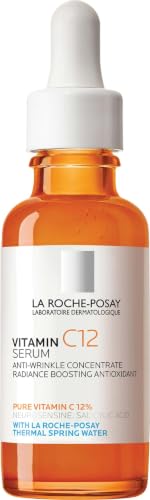
La Roche-Posay 12% Vitamin C Serum
What Each Pick Brings To The Table
Skin that is showing dryness alongside visible lines benefits from a serum with several supporting ingredients rather than a single-purpose approach. Quad Skinergy combines PDRN, NMN, exosomes, and ube extract, creating a broad formula for mature skin that wants hydration alongside firmer, more resilient-looking results.
The suspended purple-yam capsules give the serum a distinctive appearance, but the lightweight base keeps it practical for regular use. For your routine, this works best when you want one serum to cover several visible concerns without moving toward the more intensive retinoid formulas later in the list.
A Few Strong Suits
- Four active categories provide a more varied approach than a single-ingredient serum.
- Anthocyanin-rich ube extract adds antioxidant and environmental-support positioning.
- The lightweight base should layer more easily than a rich cream serum.
- The 1.01-ounce size suits a once-or-twice-daily facial step.
Things To Consider
- Visible capsules and the formula’s natural color and scent may not appeal to anyone who prefers a plain, fragrance-free-looking serum.
Key Specs
Made For
Mature skin users who want broad ingredient support, hydration, and a light serum texture in one daily step.
Where Another Pick Suits Better
La Roche-Posay 12% Vitamin C Serum may suit you better when radiance and uneven tone matter more than a multi-active capsule formula.
Retinol is a vitamin A derivative used in skincare to focus on visible lines and uneven texture. At 0.2%, Vichy LiftActiv pairs pure retinol with peptides, offering a defined yet comparatively restrained entry point for mature skin.
That lower concentration gives this serum a different role from Sunday Riley A+ Serum, which combines several retinoid forms in a 6.5% blend. You may find LiftActiv easier to introduce into a long evening routine, especially when your priorities are firmness and smoother-looking skin.
Bright Spots
- The 0.2% concentration makes the retinol focus easy to understand.
- Peptides add a second skin-supporting ingredient category.
- A targeted formula suits routines built around fine lines and firmness.
- The one-ounce bottle provides a practical nightly-use size.
Worth Noting
- Retinol remains an active ingredient, so your routine should leave room to adjust frequency as needed.
- It focuses on the retinol route rather than adding the extra hydration emphasis found in La Roche Posay Hyalu B5 Serum.
Right Fit For
You are new to retinol, have a consistent nighttime routine, and want a measured 0.2% concentration for fine lines.
Reach For A Different Pick When
Sunday Riley A+ Serum is the stronger fit for an experienced retinoid user seeking several concentrated retinoid forms in one formula.
Collagen peptides and hyaluronic acid address two related parts of a mature-skin routine. Collagen peptides provide amino acids, while hyaluronic acid is a humectant, meaning it attracts and holds water within the skin. Together, they focus on hydration, radiance, and the appearance of fine lines.
This two-pack also makes sense for households that share a routine or like keeping a backup bottle. Unlike the concentrated retinol options, Advanced Clinicals is the gentler-feeling option when your priority is a fuller, moisturized look rather than a pronounced active step.
Strengths Worth Knowing
- The collagen peptide and hyaluronic acid pairing supports a hydrated appearance.
- No added fragrance gives you a straightforward option for scent-sensitive routines.
- Two bottles provide useful backup storage at home or while traveling.
- The formula targets both dryness and the visible look of fine lines.
Minor Gripes
- A two-bottle pack takes up more shelf and travel space than a single serum.
- You may need a separate active treatment when firming and wrinkle appearance are higher priorities than hydration.
Feature Snapshot
Who Will Love This
You have dry skin, prefer a hydrating serum, and want two bottles for separate routines or travel.
Another Choice May Suit
Quad Skinergy Face Serum 1.01oz fits better when you want a broader active-ingredient story instead of a collagen and hyaluronic acid focus.
Sunday Riley A+ is built for a more intensive retinoid routine. Its 6.5% solution combines a 5% retinoid ester blend, 1% liposomal retinol blend, and 0.5% blue-green algae with botanical retinol-alternative extracts.
Liposomal encapsulation means the retinol blend is carried within lipid-based particles, a delivery approach designed to place the active ingredient near the skin. The concentration and layered formula make this a clear step up from Vichy LiftActiv .2% Retinol Serum for people who already understand how retinoids fit into their routine.
Where It Helps
- Three measured blend components create a more substantial retinoid formula.
- The formula focuses on lines, congestion, and the appearance of UV-damaged skin.
- Botanical extracts add a non-retinoid support element.
- Encapsulation adds a defined delivery mechanism.
- It suits users seeking a concentrated evening step rather than a hydrating serum.
Trade Offs
- The 6.5% blend is considerably more intensive than the 0.2% Vichy formula.
- Multiple retinoid forms may require a more gradual approach for someone new to active nighttime skincare.
- It does not center on the broad hydration and barrier emphasis offered by La Roche Posay Hyalu B5 Serum.
Built With In Mind
You have used retinoid products before and want a concentrated evening serum addressing lines, texture, and visible congestion.
Swap It Out When
Vichy LiftActiv .2% Retinol Serum is the better fit for a beginner who wants pure retinol at a noticeably lower concentration.
Dehydration can make mature skin look rougher, less supple, and more lined than it actually is. La Roche Posay Hyalu B5 focuses on that underlying issue with pure hyaluronic acid, glycerin, and vitamin B5, creating a rich serum designed to support moisture and barrier condition.
In a consumer study of 85 people using the serum twice daily, 91% reported smoother-feeling skin immediately. Instrumental measurements also showed barrier repair within one hour, making this a practical option for your routine when dryness is the concern behind visible lines.
Noteworthy Benefits
- Three hydrating ingredients support a fuller, more comfortable skin feel.
- The rich texture suits skin that feels dehydrated or tight.
- It is formulated for sensitive skin.
- Immediate smoothing feedback can make it easier to notice the hydration benefit.
- The formula supports elasticity and the look of dehydrated fine lines.
Small Caveats
- The rich consistency may feel heavier during warm weather or on skin that already produces plenty of oil.
Quick Facts
The Right Fit
Your skin feels dry, tight, or sensitive, and you want a rich serum that prioritizes hydration and barrier support.
Look Elsewhere When
La Roche-Posay 12% Vitamin C Serum fits better when vitamin C, radiance, and uneven tone are your main priorities.
Vitamin C is an antioxidant widely used in facial care for radiance, uneven tone, and the visible look of texture. La Roche-Posay offers it at 12% in two formula choices, giving you a more useful decision than picking a single bottle without considering your skin’s current needs.
One version pairs vitamin C with hyaluronic acid for added hydration, while the other adds salicylic acid for a clearer, brighter-looking finish. The hydrating route may fit a routine that needs moisture and radiance together, while the salicylic option serves anyone who also wants a clarifying step.
Everyday Wins
- A 12% vitamin C concentration provides a clearly defined antioxidant step.
- Two formulas let you choose between hydration or salicylic-acid support.
- Hyaluronic acid adds moisture to the brighter formula.
- The focus spans radiance, uneven tone, texture, and the appearance of wrinkles.
Practical Considerations
- Check the selected formula carefully because the hydrating and salicylic versions have different supporting ingredients.
- Vitamin C does not replace the dedicated moisture focus of La Roche Posay Hyalu B5 Serum for especially dry skin.
At A Glance
Who Should Grab It
You want a morning vitamin C step focused on radiance, uneven tone, texture, and visible lines.
Not Your Match When
La Roche Posay Hyalu B5 Serum is the better match when deep hydration and a rich barrier-supporting texture matter more than vitamin C.
Matching Serum Ingredients To Daily Skin Needs
A serum works best when its primary job matches the change you notice most. Mature skin can show several signs at once, yet chasing every concern in one bottle may leave out the ingredient your routine genuinely needs.
Retinol, Peptides, And Firmness
Retinol focuses on texture and the appearance of lines, making it a sensible choice when firmness leads your priorities. Peptides can complement that approach, as seen in Vichy LiftActiv .2% Retinol Serum. Sunday Riley A+ Serum offers a substantially more concentrated retinoid blend, so your experience with active ingredients matters when choosing between them.
Hydration And Barrier Support
Dryness can emphasize fine lines and leave skin looking less supple. Hyaluronic acid attracts water, while glycerin and vitamin B5 support a comfortable, moisturized feel. La Roche Posay Hyalu B5 Serum makes the most direct case for a rich, hydration-centered routine, while Advanced Clinicals offers a lighter collagen-peptide approach in a two-bottle pack.
Antioxidants And Uneven Tone
Vitamin C is the option to examine for radiance, uneven tone, and antioxidant support. La Roche-Posay 12% Vitamin C Serum also gives you a choice between a hyaluronic acid formula and one with salicylic acid. That choice makes texture and the preferred daily finish as important as the 12% vitamin C concentration itself.
Practical Serum Choices For Mature Skin
A useful routine starts with the change you most want to address, then considers what your skin can comfortably accommodate. Mature skin does not automatically need the most concentrated formula, and adding several active steps can make consistency harder.
Start With One Priority
Choose hydration for dryness, retinol for texture and firmness, or vitamin C for radiance and uneven tone. You can judge the result after several weeks of consistent use rather than changing several products at once.
Match The Formula To Your Routine
Lightweight serums suit people who prefer easy layering, while rich formulas work better when skin feels tight. Active retinoids require a different kind of planning than hydrating or antioxidant serums, so tolerance and routine simplicity deserve equal attention.
A Few Pitfalls Worth Avoiding
Mistakes Worth Dodging
Choosing by a single headline ingredient can hide differences in concentration, texture, and supporting ingredients. Avoid duplicating similar steps, and check the exact formula before purchasing a multi-variant product. A simple routine used consistently is easier to maintain than a crowded shelf.
What The Upgrade Payoff Means
Higher-priced skincare is not automatically more complete. Concentration, delivery systems, and formula design can justify a higher tier, but your skin tolerance may matter more. An advanced retinoid blend serves experienced users better than someone building a first routine.
Frequently Asked Questions
Which serum is best for mature skin?
No single serum fits every routine. Choose Quad Skinergy Face Serum 1.01oz for broad multi-ingredient care, La Roche Posay Hyalu B5 Serum for rich hydration, or La Roche-Posay 12% Vitamin C Serum for radiance and uneven tone.
Can you use anti-aging serum in your 60s?
Your age does not determine which serum to use. Select according to your skin concerns, texture preferences, and ability to maintain the routine consistently.
Is retinol or vitamin C better for fine lines?
Retinol focuses more directly on texture and firmness, while vitamin C emphasizes radiance, uneven tone, and antioxidant support. Some routines use them at different times of day, while others choose one based on tolerance.
Which option is gentler for a new retinol user?
Vichy LiftActiv .2% Retinol Serum offers a lower retinol concentration than Sunday Riley A+ Serum. Start by considering how an active step fits into your evening routine and adjust frequency according to your skin’s response.
Can collagen serum help with dry skin?
Advanced Clinicals Collagen Peptide Serum combines collagen peptides with hyaluronic acid, making hydration a central part of its appeal. A rich formula such as La Roche Posay Hyalu B5 Serum may fit very dry skin more closely.
Final Verdict
The most useful serum is the one that matches a specific concern and fits your routine. Start with hydration, firmness, or radiance rather than trying to address everything at once, then give the formula time to become part of your regular routine. Your skin’s response and your willingness to use it consistently should guide the final choice.
