

Uneven pigmentation can make a simple skincare shelf feel surprisingly complicated, especially when a recent blemish, sun exposure, or an old scar has left a visible mark. The right option depends on whether you prefer a targeted serum, an exfoliating formula, oral support, or a cream designed around scar tissue.
Each selection below targets a different part of that routine, helping you match the format to the concern rather than adding another product without a clear purpose.
A Fast Comparison Of The Options
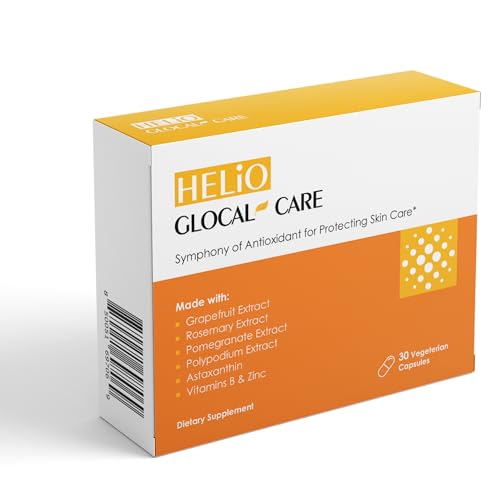
GlocalCare Helio Antioxidant Supplement for Skin 30 Capsules

AROMATICA 10% Azelaic Serum

Naturium Azelaic Complex 10% Serum

La Roche-Posay Glycolic Dark Spot Serum

GlocalCare Depigma Capsules with Glutathione and Botanical Extracts

GlocalCare CICA Silicone Scar Cream with TECA and Hyaluronic Acid Formula
What Each Pick Brings To The Table
A daily capsule can fit neatly into a routine built around general skin resilience rather than a single dark patch. GlocalCare Helio combines Polypodium leucotomos, NutroxSun, pomegranate extract, and astaxanthin, giving you several antioxidant ingredients in one format. For someone who spends time outdoors, that broad ingredient mix may feel more relevant than a narrowly targeted spot formula.
The formula is also positioned around collagen and elastin, the structural proteins that contribute to firmness and elasticity. Blister packaging helps separate each capsule and may make a 30-day supply easy to organize at home or while traveling. Compared with the topical serums later in the list, however, Helio is a general wellness approach rather than a concentrated application aimed at one visible mark.
A Favorable Mix
- Four named botanical and antioxidant ingredients give the formula a varied foundation.
- The capsule format avoids adding another layer or bottle to your evening skincare shelf.
- Blister packaging supports organized storage and helps protect individual doses.
- The formula is intended to complement topical sunscreen and an established skincare routine.
Trade Offs
- This is not a spot-specific topical, so you may prefer a serum for discoloration that needs focused attention.
- The stated clinical study was still underway, while the supporting research applies to individual ingredients rather than the finished supplement.
Made For
You benefit most from this format if you want convenient antioxidant support for everyday, sun-exposed skin alongside a consistent topical routine.
Where Another Pick Suits Better
AROMATICA 10% Azelaic Serum suits you better when uneven tone and post-blemish marks call for a directly applied 10% azelaic acid formula.
AROMATICA takes the direct route with a 10% azelaic acid serum designed around uneven tone and marks left behind by blemishes. Azelaic acid is an active skincare ingredient commonly used in routines aimed at discoloration, redness, and post-acne appearance. The straightforward formula makes sense for someone who wants one clearly defined step rather than a broad collection of antioxidants.
Plant-derived PDRN from tea tree adds a skin-conditioning component to the formula. PDRN is a complex ingredient associated with supporting skin renewal, while its plant-derived origin may appeal to shoppers who prefer botanical sourcing. Compared with Naturium Azelaic Complex 10% Serum, AROMATICA offers a shorter ingredient story, though the extra ingredient can also be useful in a broader routine.
Benefits That Matter
- The 10% concentration gives you a clearly stated strength for a focused discoloration routine.
- A small 1.01 fl oz bottle works well for a nightly serum step and fits easily into most bathroom cabinets.
- PDRN offers additional conditioning alongside the azelaic acid.
Points To Note
- Adding a 10% active to an already crowded routine can make tolerance harder to judge, so introducing it gradually gives your skin time to adjust.
- Its primary focus is uneven tone and blemish marks, not general antioxidant support like GlocalCare Helio.
Key Facts
Who It Suits Best
This serum fits you best if post-blemish marks and uneven tone are your priorities and you want a concise, directly applied routine.
Consider Something Else When
Naturium Azelaic Complex 10% Serum may suit you better when you also want niacinamide and vitamin C alongside azelaic acid.
Naturium combines a glycerinated 10% azelaic acid complex with niacinamide and vitamin C, giving you a broader tone-focused formula in one bottle. The azelaic component supports exfoliation, while niacinamide and vitamin C make this a more layered option than AROMATICA 10% Azelaic Serum. That combination can simplify a routine built around both discoloration and uneven texture.
An eight-week study across all skin types, including participants who considered their skin sensitive, supplies a useful basis for comparing the formula. The 1 fl oz size also feels practical for concentrated use and travel. The honest read is that this is a strong all-purpose serum, though its broader ingredient mix may not appeal to someone who wants the shortest possible routine.
Bright Spots
- The 10% azelaic acid complex targets both the look of uneven tone and skin texture.
- Niacinamide and vitamin C add complementary steps without requiring separate products.
- The formula was evaluated in an eight-week study that included self-perceived sensitive skin.
- A 1 fl oz bottle offers a practical balance for home use and travel.
Practical Considerations
- Multiple active ingredients can make it harder to identify which step is responsible for irritation, so adding it one at a time helps.
- Your routine may not need both this formula and a separate vitamin C serum, which could make the product less economical than it appears.
At A Glance
Right Fit For
You benefit most from this serum if you want discoloration and texture support in one formula without assembling several separate steps.
A Better Fit Elsewhere
La Roche-Posay Glycolic Dark Spot Serum suits you better when exfoliation and a broader mix of discoloration-oriented acids are your main priorities.
Dark spots, age marks, and uneven tone call for a formula with several complementary tools, which is what La Roche-Posay provides here. The serum centers on 10% glycolic acid, an alpha-hydroxy acid that exfoliates the skin’s surface, then adds tranexamic acid, lipo-hydroxy acid, kojic acid, and vitamin B5. It is a more intensive approach than the azelaic formulas because it addresses exfoliation alongside visible discoloration.
The lightweight 1 oz format is designed for several skin tones, and the product information reports a brighter appearance after two weeks and reduced-looking dark spots after four weeks. Those are appearance-focused timelines, not guarantees, and your own results may differ. The formula is also described as suitable for sensitive skin, although its active ingredients still deserve a cautious introduction.
What Earns Its Place
- Ten percent glycolic acid gives the formula a clearly defined exfoliating focus.
- Tranexamic acid and kojic acid broaden its support for uneven-looking discoloration.
- Lipo-hydroxy acid provides another route to smoother surface texture.
- Vitamin B5 adds conditioning to balance the formula’s exfoliating ingredients.
A Few Limitations
- The combination of glycolic, lipo-hydroxy, and tranexamic acids is more complex than a single-active azelaic serum.
- Your existing sunscreen and vitamin C products may make this addition redundant, so check the full routine before buying.
Feature Snapshot
The Right Fit
This serum fits you best if visible dark spots and uneven texture matter to you and your routine can accommodate several active acids.
Reach For A Different Pick When
AROMATICA 10% Azelaic Serum is a cleaner fit when you prefer a narrower, single-active approach for post-blemish marks.
Depigma takes a capsule-based approach to pigmentation, combining glutathione with Polypodium leucotomos, grape seed extract, and marigold extract. That makes it more directly aligned with melasma, dark spots, and uneven tone than GlocalCare Helio’s broader skin-resilience positioning. The format also fits people who want systemic support without another topical bottle.
The botanical blend is intended for discoloration associated with sun exposure, trauma, or surgery, while also addressing the general look of skin clarity. You still need a consistent topical routine and daily sun protection, because a capsule cannot replace either. Compared with a concentrated serum, Depigma makes more sense as part of a long-term routine than as a response to one new mark.
Strengths Worth Knowing
- Glutathione gives the capsule formula an ingredient commonly associated with pigmentation-focused routines.
- Four botanical extracts create a broader mix than a single-ingredient supplement.
- The format is convenient for people who prefer not to layer another serum or cream.
- It is positioned around melasma, sun-related spots, and uneven skin tone.
Small Caveats
- The capsule format does not target a single spot as precisely as a topical azelaic or glycolic acid serum.
- It works best as a routine addition, so adding it without sunscreen or topical care limits its practical value.
Whose Shelf It Belongs On
Depigma belongs on your shelf if you favor dietary routines for broad pigmentation support and already keep your topical and sun-care steps in place.
Another Choice May Suit
La Roche-Posay Glycolic Dark Spot Serum suits you better when you want a topical formula aimed directly at the appearance of dark spots and uneven texture.
Some pigmentation is tied to a specific scar rather than a broad pattern of sun-driven discoloration, and that is where this cream earns a place. GlocalCare CICA uses dimethicone, the silicone used in many scar-care products, alongside TECA and hyaluronic acid. It is intended for new and old acne, surgical, and trauma scars, plus stretch marks and post-inflammatory hyperpigmentation, the darkened marks that can remain after inflammation.
Silicone forms a flexible film over the skin, while hyaluronic acid is a humectant that attracts and retains moisture. TECA is a botanical extract included for additional skin-conditioning support. Compared with GlocalCare Depigma Capsules, this cream makes more sense when the scar itself is the main concern; sun-related melasma calls for a dedicated pigmentation formula instead.
The Good Stuff
- Dimethicone provides the silicone base commonly used to cover and condition scar tissue.
- TECA adds botanical skin-conditioning ingredients to the silicone formula.
- Hyaluronic acid helps support a more hydrated skin surface.
- The range covers acne, surgical, and trauma scars as well as stretch marks.
Where It Is Less Suited
- It is more closely aligned with scar-related marks than general uneven pigmentation caused by sun exposure.
- A cream format may feel less convenient than a serum for layering over a wide area of the face.
Core Details
Who Will Love This
This cream suits you best if your discoloration follows acne, surgery, trauma, or stretch-mark development rather than a generalized pigmentation pattern.
Look Elsewhere When
Naturium Azelaic Complex 10% Serum is a better fit for widespread uneven tone and post-blemish marks across the face.
Matching The Formula To The Mark
The first decision is the origin of the discoloration. Acne, surgery, or trauma can leave raised or textured scars with lingering color, making a silicone-based scar cream more relevant. Broad sun-related uneven tone calls for a dedicated pigmentation serum, while general antioxidant support belongs alongside a complete topical routine.
Topical Serums Versus Capsules
Topical serums deliver a defined active ingredient directly to the area you treat. You gain more control over where the product goes, while the routine may require patience with the introduction of acids or other concentrated ingredients. Capsules offer a simpler format, but their support is broader and cannot target one mark as precisely.
Active Strength And Supporting Ingredients
A 10% azelaic formula is centered on one established active, while a combination serum may pair exfoliation with discoloration-oriented acids, niacinamide, or vitamin C. More ingredients can make a routine more comprehensive, though they can also complicate tolerance and create overlap with products you already own. The best match depends on your existing skincare, not the number of ingredients alone.
Sunscreen And Routine Compatibility
Daily sun protection remains essential for anyone focused on reducing visible pigmentation, regardless of which formula you select. Review your routine for duplicate exfoliators, vitamin C, or strong spot products before adding another concentrated treatment. Starting with one new product at a time also makes your skin’s response easier to understand.
Common Mistakes Worth Dodging
The most common mistake is choosing solely by the word “dark spot” on a label. Match the product to the mark’s cause, then check whether you already use the same active ingredients.
A second mistake is layering several strong formulas at once. Introduce one product, use it consistently, and consider the rest of your routine before adding another active.
Why Top Tier Costs More
Costlier formulas often invest in multiple active ingredients, higher stated concentrations, or more elaborate delivery systems. That additional complexity can benefit you when one ingredient does not fit your concern, or when texture and uneven tone are both priorities. A simpler formula may offer better value when your routine is already well organized.
Frequently Asked Questions For Aha For Hyperpigmentation
Can AHA Ingredients Help With Hyperpigmentation?
Alpha-hydroxy acids, including glycolic acid, exfoliate the skin’s surface and may improve the appearance of uneven tone and texture over time. They work best as part of a routine that includes consistent sun protection.
Which Serum Is Best For Post-Acne Marks?
AROMATICA 10% Azelaic Serum provides a focused option for post-blemish marks, while GlocalCare CICA Silicone Scar Cream suits acne-related marks that also involve scar texture. Your scar type matters more than the acne label alone.
Can A Supplement Support Hyperpigmentation?
Oral formulas can add ingredient-based support to a routine focused on melasma, sun-related spots, or uneven tone. They complement rather than replace topical care and daily sun protection.
Should You Use A Serum Or A Cream?
Use a serum for broad discoloration, uneven tone, or texture work across the face. Choose a cream when the primary concern is a defined scar, stretch mark, or localized mark with a scar-related origin.
How Long Does Discoloration Care Take?
Visible changes depend on the formula, the cause of the mark, and your consistency. La Roche-Posay reports brightness at two weeks and reduced-looking dark spots at four weeks, but individual timelines can differ.
Final Verdict
Your strongest match depends on the mark itself. Choose an azelaic serum for focused tone work, a multi-acid formula for exfoliation and discoloration, a capsule for broad routine support, or a silicone cream for scar-related pigmentation. Whichever format you select, consistency and daily sun protection keep the rest of the routine working in the same direction.
