

A serum that feels hydrating on the counter can still miss the mark by the time it reaches your skin. Dehydrated, oily, dull, or uneven-looking complexions each need a different balance of water-binding ingredients, exfoliating acids, retinoids, or antioxidants. These eight options cover distinct priorities, from lightweight daytime layers to richer formulas for dryness and visible discoloration. The most useful choice depends on your skin concern, preferred texture, and how much complexity fits comfortably into your routine.
A Closer Look At The Lineup

Clinique Moisture Surge Active Glow Serum with Lactic Acid

mixsoon Soybean Milk Serum 1.69 fl oz

medicube Hyaluronic PDRN Serum

La Roche Posay Hyalu B5 Serum

La Roche-Posay Retinol B3 Serum 1oz

La Roche-Posay Effaclar Pore Serum
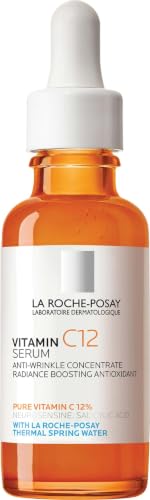
La Roche-Posay 12% Vitamin C Serum
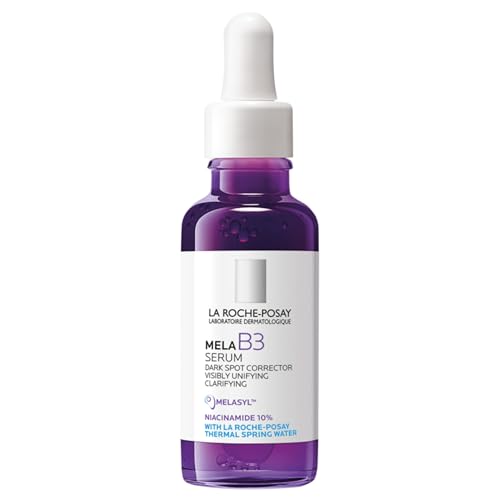
La Roche-Posay Mela B3 Serum
A Closer Look At Each Pick
Dull, dehydrated skin can benefit from a formula that handles surface renewal and moisture together. Clinique Moisture Surge Active Glow Serum combines 5% lactic acid, hyaluronic acid, and vitamin C in a lightweight serum designed to exfoliate, hydrate, and improve the appearance of dull skin. Lactic acid is an alpha-hydroxy acid that loosens surface buildup, while hyaluronic acid draws moisture into the skin’s upper layers.
The refreshing texture suits mornings when you want hydration without a heavy layer, and the formula is designed to sit beneath moisturizer and makeup. You may prefer a creamier formula for very dry skin, but this one makes a sensible choice for a streamlined routine that values multiple functions in one bottle.
Well-Handled Touches
- 5% lactic acid adds exfoliation for dull-looking skin.
- Hyaluronic acid supports a fuller, moisture-rich feel.
- Vitamin C targets uneven-looking brightness.
- The lightweight texture layers beneath moisturizer and makeup.
Points To Note
- The exfoliating acid makes routine compatibility more important than with a plain hydrating serum.
- Very dry skin may need a richer moisturizer over this serum.
Key Specs
Right Fit For
You want one lightweight serum that combines exfoliation, hydration, and a brighter-looking finish in a simple morning routine.
Another Choice May Suit
mixsoon Soybean Milk Serum suits you better when a milky, protein-focused formula takes priority over exfoliating actives.
A soft, milky serum appeals to you when nourishment matters more than a brightening or pore-focused effect. mixsoon Soybean Milk Serum takes a different route from the Clinique formula by pairing galactomyces ferment filtrate with soy-derived proteins. Ferment filtrate is a fermented ingredient associated with moisturizing skincare, while hydrolyzed soy protein consists of smaller protein fragments that can support the skin’s surface feel.
Its 1.69 fl oz size suits a personal routine without requiring a large amount, and the formula focuses on elasticity and barrier-oriented care. The ingredient story may be especially attractive to you after cleansing, when a cushiony layer feels more comfortable than a strongly exfoliating treatment.
The Case For It
- Galactomyces ferment filtrate centers the moisturizing formula.
- Hydrolyzed soy protein supports a smoother, more elastic feel.
- Collagen peptides and recombined collagen add a conditioning angle.
- The 1.69 fl oz bottle is sized for a personal routine.
- Its milky texture suits routines that prefer a softer serum finish.
Worth Bearing In Mind
- It does not offer the explicit vitamin C or acid focus found in the Clinique formula.
- The compact bottle may need replacing sooner than a larger daily-use size.
Who Should Grab It
You prefer a milky, ferment-and-protein treatment for dryness, elasticity, and a conditioned skin feel.
Where A Sibling Pick Shines
Clinique Moisture Surge Active Glow Serum fits you better when lightweight exfoliation and a brighter-looking finish matter more than a milky texture.
Dry or flaky skin often needs hydration that stays in place through a long day. medicube Hyaluronic PDRN Serum uses a double-layer structure, placing an oil layer over a water-based serum layer to help seal in moisture. The name also points to hyaluronic acid, a humectant that attracts water, alongside multi peptides and PDRN for a more complete hydration routine.
Compared with mixsoon’s single milky approach, this formula separates hydration and moisture retention into two visible layers. You may find that design useful in colder weather or whenever a richer final layer is welcome, though people who dislike surface oil may prefer a gel-textured hydrating serum.
A Strong Showing
- The oil-over-serum layout targets moisture retention.
- Hyaluronic acid supports immediate surface hydration.
- Multi peptides and PDRN broaden the formula’s skin-conditioning focus.
- Its lightweight positioning suits layers rather than heavy cream textures.
Practical Considerations
- The finishing oil layer may feel excessive on naturally oily skin.
- You may need to shake or work the layers together before applying.
Feature Snapshot
Made For In Mind
You want a two-layer serum for dry-feeling skin and favor hydration that includes an oil-based sealing step.
A Better Fit Elsewhere
La Roche Posay Hyalu B5 Serum suits you better when you want one water-rich layer with glycerin and vitamin B5 instead of a separate oil layer.
Dehydrated skin that feels tight after cleansing calls for more than a single water-binding ingredient. La Roche Posay Hyalu B5 Serum pairs pure hyaluronic acid with glycerin and vitamin B5, giving the formula both humectant and conditioning components. Glycerin attracts water, while vitamin B5 is included to support a comfortable, smooth skin feel.
The richer texture makes this a practical choice before moisturizer or during cooler months, especially compared with medicube’s visibly separated oil and serum layers. It is also positioned for sensitive skin, although your own comfort and routine tolerance should guide the decision.
Useful Touches
- Hyaluronic acid, glycerin, and vitamin B5 create a well-rounded hydration blend.
- The rich texture suits skin that feels tight after cleansing.
- The formula targets dehydrated skin and visible fine lines.
- It is designed for people with sensitive skin.
Minor Gripes
- The richer consistency may feel substantial in hot or humid conditions.
- Layering too much at once can create a heavier finish than some people prefer.
At A Glance
The Right Fit
You want a rich, straightforward hydrating layer for tightness, dehydration, and a smooth-looking surface.
Reach For A Different Pick When
La Roche-Posay Retinol B3 Serum fits you better when visible lines and uneven texture call for a retinol-centered routine.
A serum can hydrate while also supporting the skin-renewal goals that come with age, sun exposure, and uneven texture. La Roche-Posay Retinol B3 Serum combines retinol with niacinamide, also called vitamin B3, and hyaluronic acid. Retinol is a vitamin A derivative used to improve the appearance of fine lines, wrinkles, dark spots, and sun-related texture changes.
The formula uses a gradual-release approach, which can make it a practical starting point for someone introducing retinol rather than jumping into a more intensive routine. You should still introduce new actives carefully and use a moisturizer as needed, particularly while your skin adjusts.
The Helpful Details
- Gradual-release retinol supports a measured introduction to vitamin A skincare.
- Niacinamide complements hydration with a focus on tone and texture.
- Hyaluronic acid helps the serum deliver a hydrating finish.
- The 1 oz size is practical for regular facial use.
Where It May Fall Short
- Retinol is a more involved active than the hyaluronic acid in La Roche Posay Hyalu B5 Serum.
- It targets several concerns at once, so you may need time to assess how your skin responds.
Who Will Love This
You are new to retinol and want a gradual formula that pairs skin renewal with hydration and niacinamide.
Swap It Out When
La Roche Posay Hyalu B5 Serum suits you better when your only priority is replenishing moisture without introducing retinol.
Enlarged-looking pores and uneven texture call for a different approach than a basic water-binding serum. La Roche-Posay Effaclar Pore Serum combines glycolic acid, lipo-hydroxy acid, and hyaluronic acid for oily skin. Glycolic acid is an alpha-hydroxy acid that promotes surface-cell turnover, while lipo-hydroxy acid is a salicylic-acid derivative designed for exfoliation and surface renewal.
Unlike the gentler hydration emphasis of La Roche-Posay Retinol B3 Serum, this formula places exfoliating acids at the center. The balance suits you when visible pores, fine lines, and rough texture are the main concerns, though a hydrating serum may be a more useful first step for someone building a simple routine.
Practical Advantages
- Lipo-hydroxy acid targets surface renewal and visible pores.
- Glycolic acid supports smoother texture and more even-looking tone.
- Hyaluronic acid balances the exfoliating ingredients with moisture.
- The formula suits oily skin with enlarged-looking pores.
A Few Limitations
- Two exfoliating acids make this a more active choice than a plain hydrating serum.
- It is less focused on dry or elasticity concerns than mixsoon Soybean Milk Serum.
Quick Facts
Best Suited To
You have oily, pore-focused skin and want exfoliating acids paired with a hydrating ingredient.
Look Elsewhere When
La Roche-Posay 12% Vitamin C Serum suits you better when brightness and uneven-looking tone matter more than pore refinement.
A brighter-looking complexion calls for an antioxidant rather than hydration alone. La Roche-Posay 12% Vitamin C Serum centers vitamin C, an antioxidant that can support radiance, uneven tone, and the appearance of fine lines. The 12% figure identifies the vitamin C concentration, giving you a clearer way to compare it with lighter antioxidant products.
Two formula options offer different companion ingredients. One pairs vitamin C with hyaluronic acid for a hydration-oriented texture, while the other adds salicylic acid for a brighter, clearer-looking focus. Compared with Effaclar Pore Serum, this remains centered on radiance rather than a two-acid approach to pore appearance.
Benefits That Matter
- The 12% vitamin C concentration is clearly identified.
- Antioxidant care supports a brighter, more even-looking complexion.
- Hyaluronic acid adds moisture to one formula option.
- Salicylic acid gives the second option a clearer skin focus.
What To Weigh
- You need to compare the two formula options carefully before choosing.
- The higher vitamin C concentration may feel more active than a basic hydrating serum.
Built With In Mind
You want antioxidant-driven brightness and can choose between a hydrating or blemish-clearing companion formula.
Consider Something Else When
La Roche-Posay Mela B3 Serum suits you better when established sun spots, age spots, or post-acne marks are your main concern.
Sun spots, age spots, and post-acne marks need a serum aimed at discoloration rather than a general hydrating blend. La Roche-Posay Mela B3 Serum uses niacinamide as its featured active, targeting several forms of visible unevenness with the goal of a more radiant, even-looking tone. That makes it a more specific choice for someone who can identify distinct areas of discoloration.
Compared with La Roche-Posay 12% Vitamin C Serum, the emphasis shifts from broad antioxidant brightness to a focused dark-spot concern. You may choose this after noticing marks that do not respond to moisturizer alone, while those wanting texture refinement and pore care will find a better match elsewhere.
A Favorable Mix
- Niacinamide provides a focused tone-evening approach.
- The formula targets sun spots, age spots, and post-acne marks.
- Its purpose suits a routine built around visible discoloration.
Areas To Watch
- It is less broadly focused on hydration than La Roche Posay Hyalu B5 Serum.
- Discoloration care usually deserves a dedicated place in your routine rather than being treated as an occasional extra.
Feature Facts
Whose Shelf It Belongs On
You want a targeted niacinamide serum for visible marks and want an even-looking tone to be the priority.
Where Another Pick Suits Better
La Roche-Posay Effaclar Pore Serum suits you better when enlarged-looking pores, oiliness, and uneven texture take priority over discoloration.
What Matters Most in a Hydrating Serum
Match the primary skin concern
Your main concern should determine the active category. Hyaluronic acid and glycerin suit straightforward dehydration, while lactic or glycolic acid addresses dull texture and surface renewal. Retinol fits visible lines and uneven texture, vitamin C favors brightness, and niacinamide targets discoloration. Choosing one clear goal usually produces a more useful routine than layering several ambitious formulas at once.
Decide how much texture suits you
Water-rich serums layer easily and may feel natural in humid weather. Richer formulas suit skin that feels tight, while oil-on-serum formats can reduce the need for a separate facial oil. Think about what your moisturizer already provides: a rich serum may need less cream, whereas a lightweight one may benefit from additional moisture afterward.
Check the active list before the trend
Concentrations and ingredient combinations determine how a serum works. A 12% vitamin C formula offers a defined antioxidant level, while a double-layer serum uses physical texture to support moisture retention. Read the full list and look for complementary ingredients, such as hyaluronic acid alongside vitamin C or niacinamide, rather than judging by the product name alone.
Build a routine you can maintain
A simple routine is often easier to use consistently than a crowded shelf. Active exfoliators, retinol, vitamin C, and targeted discoloration care can be introduced gradually, and each deserves enough room in your routine to see how your skin responds. The best formula is often the one that addresses your priority and feels comfortable enough to use regularly.
The Practical Details Behind Your Choice
Mistakes Worth Dodging
Choosing a serum only because hydration sounds like the solution can leave the real concern untouched. Check the entire ingredient list, especially for exfoliating acids or retinol, rather than focusing on a single headline ingredient. You also need to account for the texture already in your moisturizer and avoid adding several strong actives without a deliberate plan.
What Separates Premium From Basic
A higher-priced serum may concentrate an active, pair complementary ingredients, or use a more deliberate delivery structure. The added expense matters most when it targets a concern that a basic hydrating formula does not address. Compare the active list, texture, and intended purpose rather than assuming a more elaborate formula fits every routine.
The Takeaway
Your ideal serum depends on the problem you want to solve. La Roche Posay Hyalu B5 Serum covers straightforward hydration, while the other options bring distinct strengths in exfoliation, retinol, vitamin C, fermentation, layered moisture, and discoloration care. Match the formula to your priority, then choose the texture your routine can comfortably support.
